
Feedback
AI Ad Video Example
Loading...
MiniMax H3 prompt
Craft a MiniMax H3 prompt that pairs timed shots with camera and audio cues, then render 2K clips with native stereo sound in one pass.
All Tools
Discover our comprehensive AI-powered animation toolkit
MiniMax H3
MiniMax H3 AI Video Generator
Seedance 2.5
The Future of AI Video Is Here.
Seedance 2.0
The Future of AI Video Is Here.

Veo3.1
Create Stunning Videos with Veo3.1
Kling 3.0
Next-Gen AI Video Generator
MiniMax H3 video generator
MiniMax H3 AI Video Generator
Seedance 2.0
The Future of AI Video Is Here.
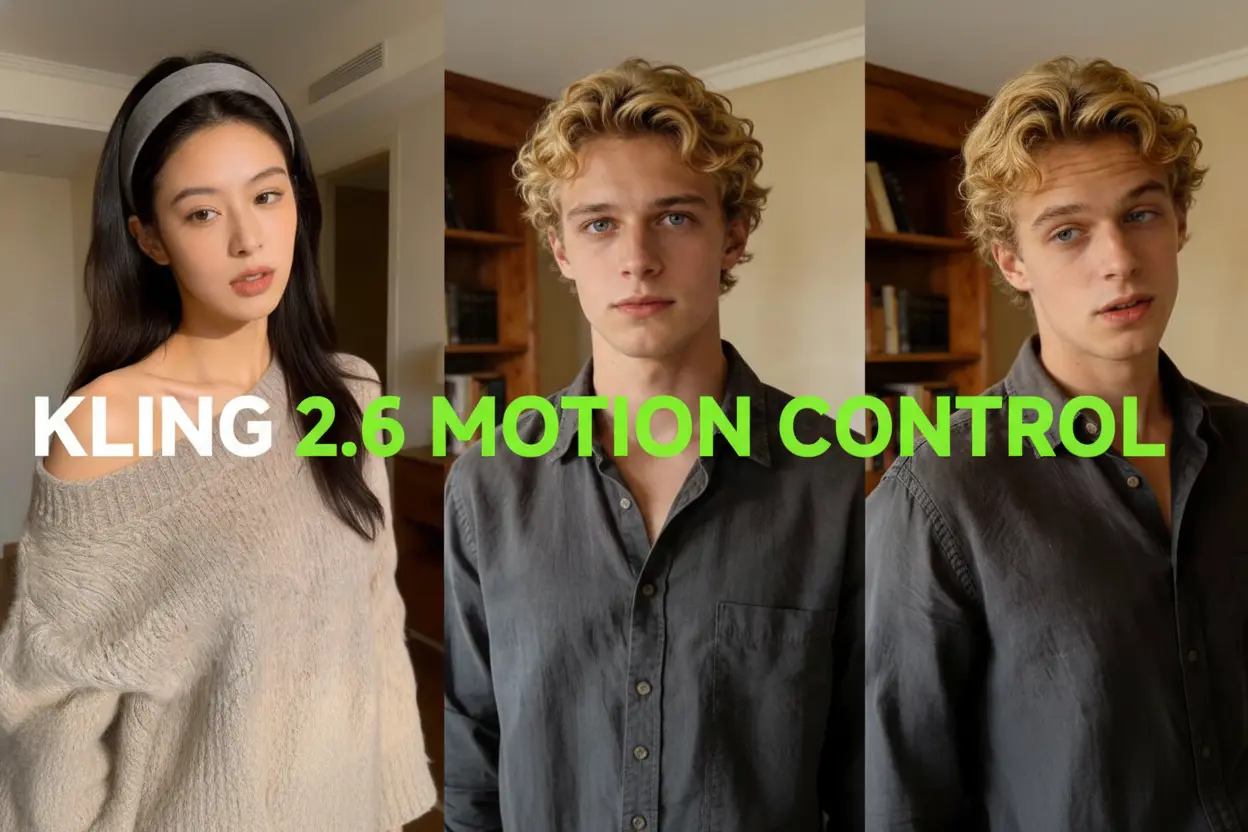
Kling Motion Control
Turn reference images into amazing motion videos in minutes
The Case for Structured MiniMax H3 Prompting
MiniMax H3 is an open-weight, general-purpose video model that returns 5-15 second, 2K, 24fps clips with stereo audio baked in. Its prompt field holds up to 7,000 characters — enough room to label every reference asset, lay out shots by timestamp, write camera and sound direction, and hold a subject's look steady from the first frame to the last.
- Give Every Reference a JobThe habit that changes results most: state what each image, clip, or audio file is there for — mood, performer, product, style, or voice — before you describe the scene itself.
- Beat-by-Beat Timing BlocksSplit a multi-beat scene into [0-2s] and [2-4s] windows inside one prompt, so the output moves with narrative rhythm instead of drifting like a slideshow.
- Sound Written With PrecisionSpell out music structure, effects, and voice cloning as carefully as the visuals — sub-bass, hi-hats, foley textures, and line delivery timing all belong in the text.
Writing a MiniMax H3 Prompt, Step by Step
Shape a production-ready MiniMax H3 prompt in four quick passes, ending with a 2K clip whose picture and sound land together.
Core Techniques for MiniMax H3 Prompting
Six practices worth adopting: exclusion lists, identity locking, scoped edit constraints, cinematic camera vocabulary, event-based transitions, and full-length prompts that carry an entire scene in one request.
Exclusion Lists
Tell the model what to leave out — 'no soft dissolves', 'no garbled text', 'no sudden jolts' — and unwanted artifacts stop showing up in the render.
Holding Character and Product Looks
Name the details that define a subject — hair, wardrobe, props, typefaces — and repeat them across every timed beat so nothing shifts between cuts.
Scoped Edits, Not Full Redos
When revising, state both the change and what must remain as-is, so the model reworks one area of the frame instead of rebuilding the whole thing.
Camera Vocabulary That Reads as Film
Reach for shot scale, lens behavior, exposure, and stock traits — handheld sway, rack focus, wide-angle stretch, grain — rather than generic 'cinematic' adjectives.
Cuts Described as Motion
Write transitions as things the camera physically does — a whip, motion blur, optical smear, exposure flicker — which lands far more reliably than naming an effect.
Room for a Whole Scene
Up to 7,000 characters means one request can hold the complete shot list, sound plan, and constraints, so a scene never has to be split across separate generations.
MiniMax H3 Prompt: Common Questions
Answers to the questions people ask most when writing prompts for the MiniMax H3 video model.
What does the MiniMax H3 prompt guide cover?
It collects the prompting habits that work best with MiniMax's open-weight multimodal video model — how to label reference assets, time each beat, direct sound, exclude unwanted elements, keep a subject consistent, and write camera language for 2K video with stereo audio.
How many characters can one prompt hold?
Up to 7,000 — plenty for a full shot list with timestamps, camera moves, sound design, and constraints inside a single request.
How should I organize several reference files?
Give each one a stated purpose — 'Image 1 for mood, Image 2 for the performer, Audio 1 for the voice'. A request accepts up to 9 images, 3 video clips, and 3 audio files.
Do I need to write the audio too?
Yes. Treat sound as its own scene: describe the music's structure, when instruments enter, foley details, and how lines land, so the generated stereo track matches your edit.
How can I stop a character from changing mid-video?
List the traits that define them — hair, wardrobe, props, and scene details — and restate them across every timed block and cut so the look holds.
What weakens a prompt the most?
Vague pacing and unwanted styling. Replace slideshow-like sequences with timestamped blocks, and add explicit exclusions for anything you don't want on screen.
Put the MiniMax H3 Prompt Guide to Work
Render a 2K clip with stereo audio from a single request: state each reference's purpose, mark shot boundaries, choose camera behavior, and shape the soundtrack.